3 Essential Philosophical Films on MUBI (UK)
MUBI has always been more than a streaming platform. It curates - and increasingly helps bring into being - cinema as an ongoing philosophical conversation.
Cinema that thinks - and asks us to think back
MUBI has always been more than a streaming platform. It curates - and increasingly helps bring into being - cinema as an ongoing philosophical conversation: about identity, memory, embodiment, responsibility, and how we might live. MUBI’s rotating catalogue encourages a different relationship to cinema - one shaped by attention rather than abundance.
What follows is not a definitive canon, but a snapshot: a small selection of philosophically rich films currently streaming on MUBI in the UK at the time of writing. Each approaches philosophy not as subject matter, but as method - thinking through cinema itself.
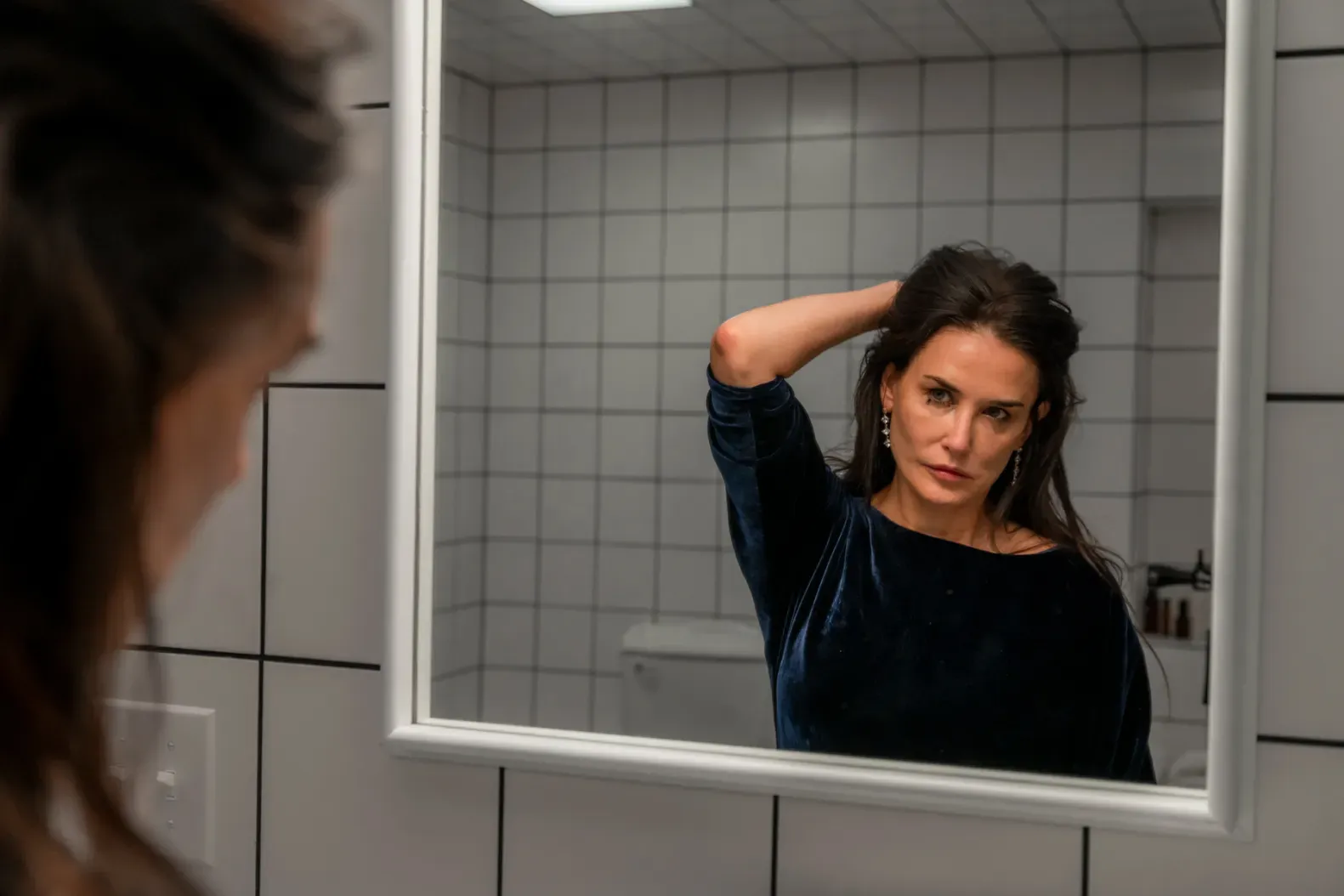
The Substance (Coralie Fargeat, 2024)
Coralie Fargeat’s The Substance pushes questions of identity into far more abrasive territory. Using the language of body horror and satire, the film stages a viciously contemporary philosophical problem: what happens when the self is treated as endlessly optimisable? Beneath its provocation lies a meditation on embodiment, self-alienation, and the moral violence of idealised identity. That MUBI has supported and platformed such an unapologetically unsettling work signals a curatorial confidence in cinema that provokes ethical unease rather than reassurance.
Attention, Routine, and the Ethics of Everyday Life
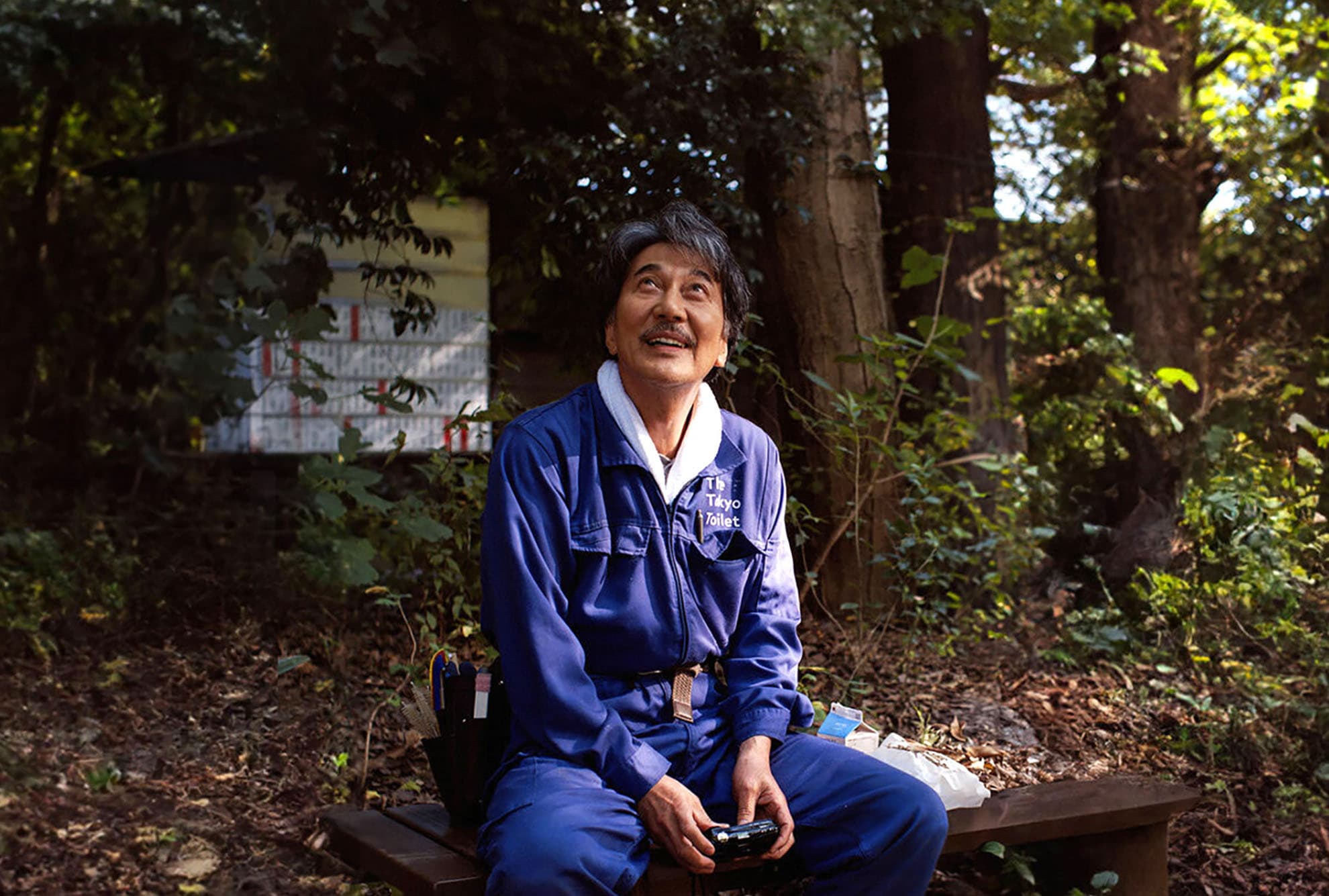
Perfect Days (Wim Wenders, 2023)
Wim Wenders’s Perfect Days offers a gentle but profound counterpoint to narratives of self-optimisation. Following Hirayama, a Tokyo public-toilet cleaner whose days unfold in quiet repetition, the film becomes a meditation on attention, routine, and the dignity of ordinary labour. Meaning here is not located in transformation or ambition, but in presence: in small rituals, sensory awareness, and care. The film quietly asks whether a good life might be less about becoming someone else than about learning how to inhabit the present moment fully.
Grief, Freedom, and Emotional Responsibility
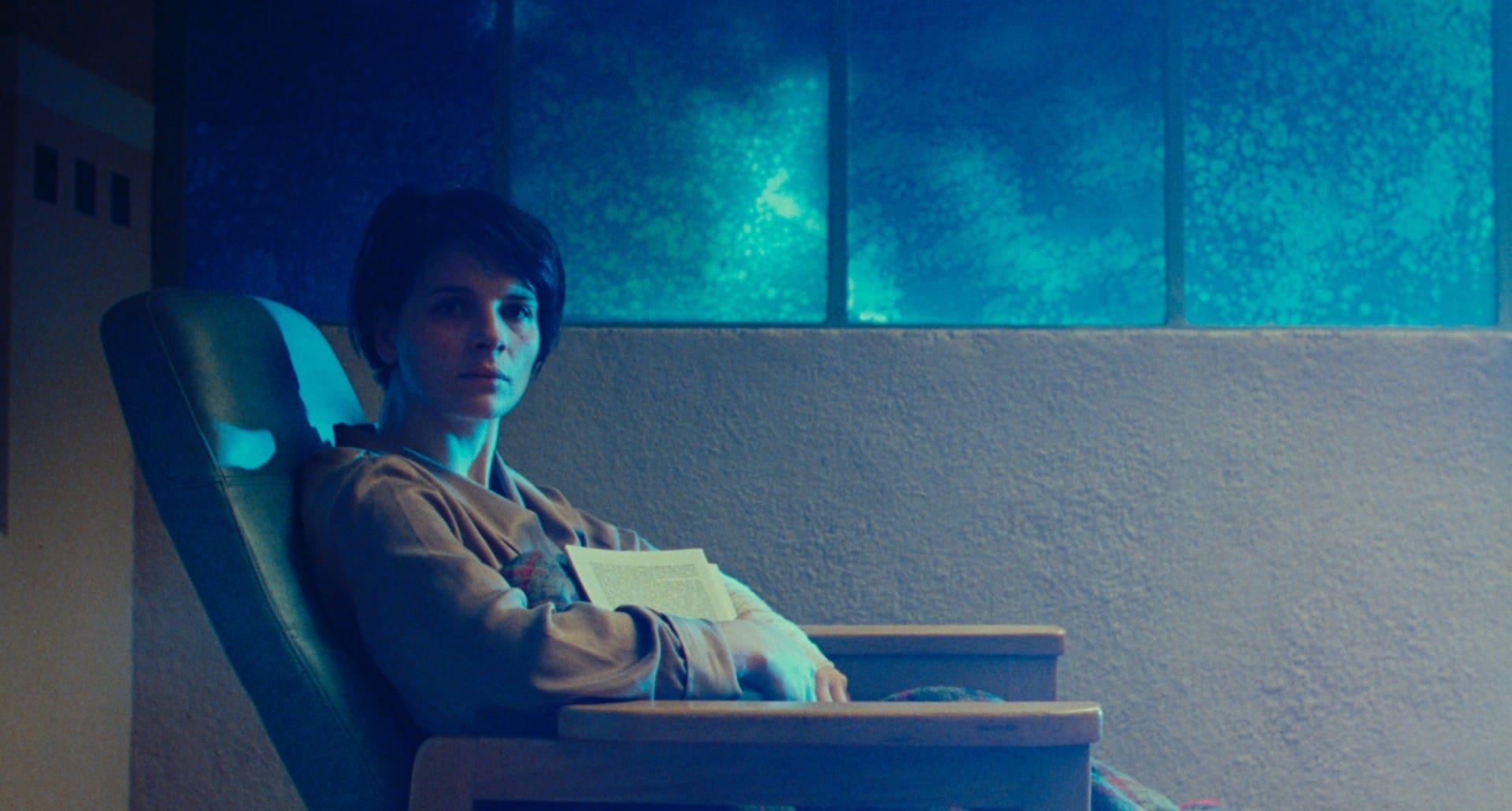
Three Colours: Blue (Krzysztof Kieślowski, 1993)
Krzysztof Kieślowski’s Blue explores grief not as a problem to be solved, but as a condition to be lived through. Its restrained formalism mirrors the emotional withdrawal of its protagonist, raising difficult questions about freedom: is liberation found in detachment from others, or does emotional responsibility persist even in the aftermath of profound loss? The film refuses easy consolation, instead allowing philosophical complexity to emerge through silence, repetition, and colour.
Why MUBI Matters for Philosophical Cinema
What unites these films is not a shared genre or style, but a shared resistance to simplification. They refuse tidy resolutions and invite viewers to dwell with uncertainty. MUBI’s curatorial model - selective, time-bound, and international - creates a space where such cinema is not marginal, but central.
For those interested in philosophy, MUBI does not simply host films that contain ideas. It champions films that think: works that trust audiences to engage patiently, attentively, and critically. In doing so, it sustains a cinematic culture where reflection remains possible - and necessary.
Film & Philosophy regularly explores how cinema creates spaces for reflection, discussion, and shared thinking. MUBI remains one of the most important platforms keeping that conversation alive.
The films discussed here are currently available to watch on MUBI (UK), along with much much more. If you’d like to spend some time with them, I’m able to offer members a free month of MUBI - an invitation into a catalogue that rewards slow, attentive viewing. Members will find the link below (be sure to sign in). If you have not yet subscribed, please do so now then return to this page.