After Life: Memory, Identity, and the Cinema of Eternity
After Life asks a question that is both simple and terrifying: if you could choose only one memory to take with you into eternity, what would it be?
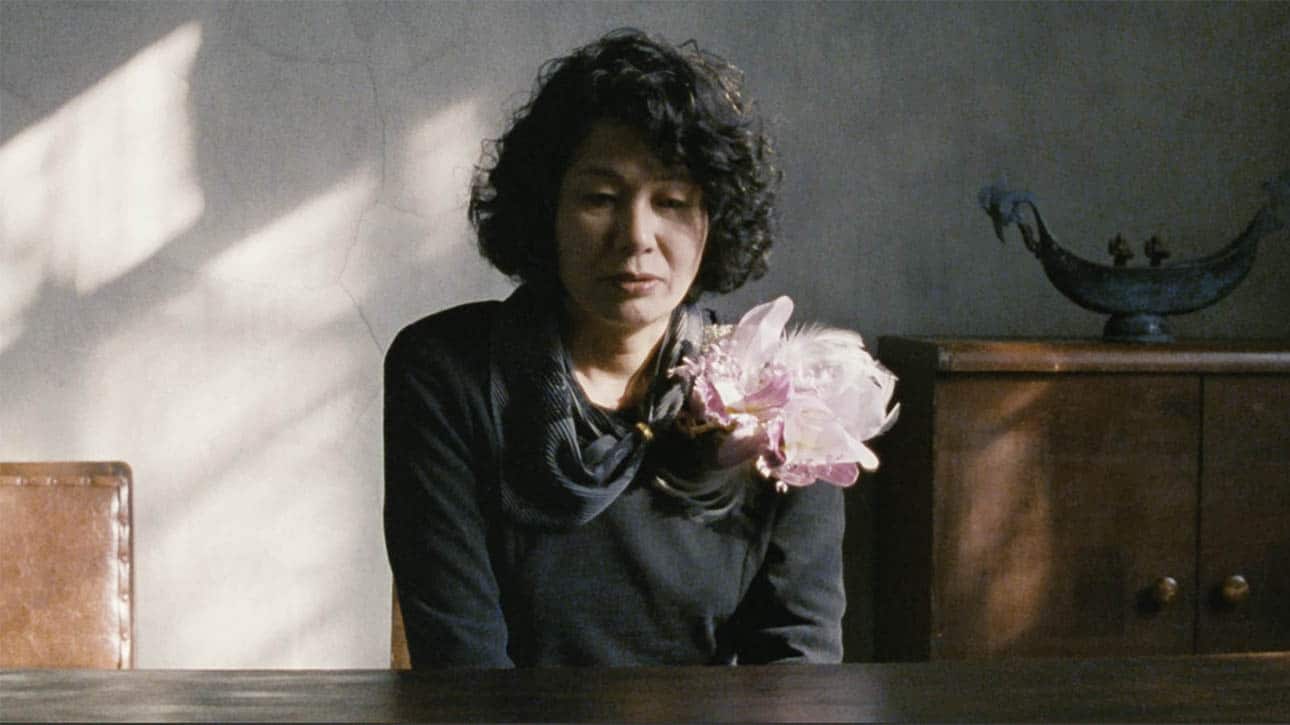
After Life asks a question that is both simple and terrifying: if you could choose only one memory to take with you into eternity, what would it be?
Hirokazu Kore-eda’s masterpiece is set in a Limbo that looks suspiciously like a rundown municipal building. Here, the newly deceased have just one week to select a single moment from their lives to relive forever. Once chosen, the staff - who are essentially filmmakers - recreate that memory on a rudimentary set. The result is screened, the soul moves on, and all other memories are erased.
It is a film about death, but even more so, it is a film about the fierce, fragile business of living.
Memory as the Seat of Self
The central dilemma of After Life leads us directly to the question of personal identity.
The English philosopher John Locke famously argued that identity is founded on consciousness and memory. We are who we are because we can remember who we were. In Kore-eda’s Limbo, this theory is taken to its extreme conclusion: to choose one memory is to choose the definitive version of your "self" for eternity.
The characters struggle not just to find a happy moment, but to find an authentic one. Is the self defined by a moment of sensory pleasure (a breeze on a tram)? A moment of connection (holding a child)? Or a moment of public achievement? The film suggests that our identity is curated - an edit of the raw footage of our lives.
The Cinema of the Soul
Unusually for a film about the afterlife, Kore-eda places cinema at the center of salvation. The counselors don’t just record the memory; they stage it. They use cotton wool for clouds, fans for wind, and painted backdrops for landscapes.
This connects to a profound philosophical idea about the nature of art and truth.
- André Bazin, the French film theorist, believed cinema’s purpose was to preserve time—to "mummify change."
- In After Life, the artificial recreation of the memory becomes more "real" than the original event. The characters find peace not in the raw past, but in the artistic reconstruction of it.
It suggests that we don't just passively have memories; we actively make them. We are the directors of our own pasts.
Affirmation and the Eternal
There is a touch of Nietzsche here as well. The challenge to "choose one memory" is a softer, more humane variation of his concept of the Eternal Recurrence. If you had to live one moment forever, would you have a moment worthy of the choice?
Many characters in the film realize their lives were defined not by grand narratives, but by small, sensory details. The film argues that meaning is often found in the mundane - the light falling on a porch, the smell of summer - rather than in dramatic climaxes.
Questions to bring to the screening
As part of our Cinema of the Self season, this screening invites us to look at After Life as a mirror. It forces us to act as editors of our own biographies.
You might want to bring these questions with you:
- Does the act of choosing a memory change the nature of that memory?
- Is an "artificial" recreation of the past less valuable than the "real" thing?
- If you stripped away all your memories but one, would you still be you?
- Why do so many characters choose sensory moments (feeling, seeing) over narrative ones?
- What memory would you choose?
After the film, we’ll move from the screen to the café for an open discussion. Don't worry - you don't need to have your "one memory" selected just yet.
🎟️ Tickets are available now. Join us at the Filmhouse on 2 March 2026 for a screening that is as much about the magic of filmmaking as it is about the mysteries of life and death.