The Curriculum
Our courses are designed to move you from a passive consumer of images to an active reader of visual culture. Whether you are a student, a creative, or a cinephile, this is your toolkit for seeing the world differently.
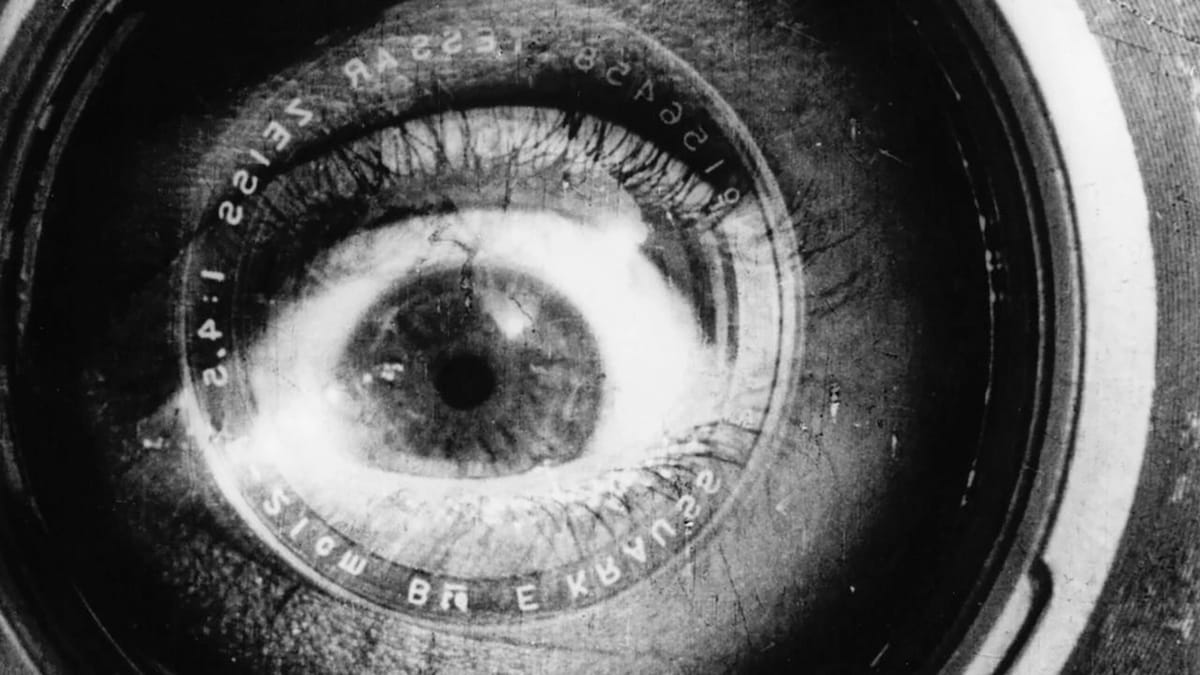
Cinema is a Machine for Thinking.
We go to the movies to escape reality, but the greatest films force us to confront it. At Film & Philosophy, we believe that cinema is not just entertainment; it is a language. And like any language, it has a grammar, a syntax, and a philosophy.
Our courses are designed to move you from a passive consumer of images to an active reader of visual culture. Whether you are a student, a creative, or a cinephile, this is your toolkit for seeing the world differently.
Phase I: The Foundation
Before we ask what a film means, we must understand how it works.
Introduction to Film Studies: The Grammar of Cinema
Format: 13-Part Independent Study
Prerequisite: None
A rigorous introduction to the mechanics and theory of filmmaking. This course strips the engine down, moving beyond the "story" to analyze the "form." You will learn the vocabulary of the director – from the architecture of a shot to the ideology of the image.
Lessons Include:
- The Critical Faculty: Moving beyond "I liked it."
- The Principles of Form: Viewing the film as a closed system.
- Narrative Structure: The distinction between Story and Plot.
- Mise-en-scène: The psychology of the set.
- Ideology and Representation: Cinema as political text.
Phase II: The Ideas
Great cinema is philosophy in motion. To understand the film, we must understand the thinkers.
Introduction to Philosophy: The Big Questions
Status: [ In Development – Coming Soon ]
Format: 10-Part Independent Study
Prerequisite: None
A lucid guide to the major philosophical frameworks that shape our understanding of art and existence. We leave the cinema briefly to enter the library, exploring the concepts that directors have wrestled with for a century.
Key Themes:
- Aesthetics: What is Beauty? (Hume, Kant).
- Ethics: The morality of the spectator (Aristotle, Utilitarianism).
- Ontology: What is the nature of reality? (Plato, Baudrillard).
- Existentialism: Freedom and absurdity (Sartre, Camus).
Phase III: The Synthesis
The convergence of the Eye and the Mind.
The Thinking Eye: Cinema as Philosophy
Status: [ In Development – Coming Soon ]
Format: Advanced Seminar
Prerequisite: Recommended completion of Phases I & II.
The flagship course of the Film & Philosophy initiative. Here, we apply the tools of Phase I and the concepts of Phase II to analyze cinema's greatest works. We treat films not as texts to be explained, but as philosophers in their own right.
Case Studies:
- The Ethics of the Gaze: Rear Window & Peeping Tom.
- Time and Memory: Memento & The Mirror.
- Identity and The Other: Persona & Moonlight.
- The Reality of Illusion: The Matrix & The Truman Show.